Water Line Installation vs. Replacement: Which Option Is Right for Your Home?
A dependable water line is one of the most important parts of your home’s plumbing system. It delivers clean, pressurized water from the municipal supply to your faucets, showers, appliances, and outdoor fixtures. When problems develop underground, homeowners are often faced with an important decision: should they invest in water line installation for a new property or choose water line replacement for an aging or damaged pipe?
Understanding the difference between installation and replacement can help you avoid unnecessary expenses while protecting your home’s plumbing system for years to come. Whether you’re building a new home, remodeling an older property, or dealing with recurring plumbing issues, knowing when each service is appropriate allows you to make an informed decision.
At Aedile Plumbing, we provide professional underground water line solutions throughout League City, Friendswood, Dickinson, Webster, Kemah, and Seabrook, Texas. Our experienced plumbers evaluate every property carefully to recommend the most practical and cost-effective solution.
Understanding Water Line Installation and Water Line Replacement
Although the services sound similar, they serve very different purposes.
Water line installation involves placing a brand-new underground pipe that connects a property to the municipal water supply or a private well. This service is commonly required for:
- Newly constructed homes
- Property additions
- Detached garages or workshops
- Commercial buildings
- Major remodeling projects
- Relocating existing plumbing systems
On the other hand, water line replacement, main water line replacement, and water service line replacement involve removing an existing underground pipe that has deteriorated or can no longer provide reliable service.
Replacement becomes necessary when the current pipe has reached the end of its lifespan or experiences frequent failures that repairs cannot permanently solve.
Although repairs may temporarily stop a leak, replacing an aging water line often provides better long-term value by preventing future problems and improving water flow throughout the property.
Professional plumbers inspect the existing piping before recommending either solution. Factors such as pipe material, age, soil conditions, corrosion, root intrusion, and local building codes all influence the final recommendation.
Signs Your Property May Need Main Water Line Replacement
Many homeowners don’t realize they have an underground plumbing problem until the symptoms become impossible to ignore. Since most water lines remain buried beneath landscaping, driveways, or sidewalks, damage often develops slowly over time.
Several warning signs indicate that main water line replacement or water service line replacement may be the better solution than repeated repairs.
Unexplained Increase in Water Bills
If your household water usage has remained consistent but your monthly utility bill suddenly increases, an underground leak may be allowing clean water to escape before it reaches your home.
Even a relatively small leak can waste hundreds of gallons each month, increasing costs while potentially damaging your property’s foundation or landscaping.
Reduced Water Pressure
A noticeable drop in water pressure throughout the entire home often points to restrictions inside the main service line.
Common causes include:
- Mineral buildup
- Pipe corrosion
- Cracked piping
- Partial collapses
- Tree root intrusion
When multiple fixtures experience weak pressure simultaneously, the issue may originate from the underground supply line rather than interior plumbing.
Discolored Water
Rust-colored, brown, or cloudy water may indicate corrosion inside older galvanized steel or iron water lines.
As these materials deteriorate, rust particles enter the water supply, affecting water quality and potentially shortening the lifespan of appliances and plumbing fixtures.
Replacing aging pipes with modern materials can restore cleaner, more reliable water delivery.
Wet Areas in the Yard
Soggy patches, unusually green grass, standing water, or unexplained erosion can indicate an underground leak.
Water escaping continuously from a damaged service line saturates the surrounding soil, even during dry weather.
Ignoring these signs may eventually lead to structural damage, sinkholes, or foundation movement.
Frequent Plumbing Repairs
If you have repaired the same underground line multiple times over the past few years, replacement often becomes the more economical option.
Rather than paying repeatedly for temporary fixes, investing in a complete replacement eliminates recurring issues while increasing long-term reliability.
When Main Water Line Installation Is the Better Choice
Not every plumbing project involves replacing an old pipe. In many situations, main water line installation is the appropriate service.
Examples include:
- Building a new home
- Constructing an accessory dwelling unit
- Adding an outdoor kitchen
- Installing irrigation systems requiring dedicated service
- Expanding commercial facilities
- Developing undeveloped land
Modern installation methods prioritize durability, efficiency, and compliance with local building regulations.
Today’s water lines commonly use high-performance materials designed to resist corrosion, shifting soil, and long-term wear.
Professional installation also ensures proper pipe sizing, adequate water pressure, secure connections, and appropriate burial depth to minimize future maintenance.
Planning the installation correctly from the beginning significantly reduces the likelihood of expensive repairs later.
How Professional Plumbers Determine the Best Solution
Choosing between installation and replacement requires more than simply locating a leak.
Professional plumbers perform a comprehensive evaluation to determine the overall condition of the underground plumbing system.
The assessment typically includes:
- Water pressure testing
- Leak detection technology
- Pipe material identification
- Camera inspections when applicable
- Soil condition evaluation
- Utility line location
- Local plumbing code verification
These findings help determine whether repairing isolated damage remains practical or if complete replacement offers greater long-term value.
In many cases, homeowners discover that replacing an aging service line prevents additional failures while improving water pressure and reducing maintenance costs.
The recommendation should always balance immediate budget considerations with the expected lifespan of the plumbing system.
Comparing the Cost of Installation and Replacement
One of the first questions homeowners ask is whether water line installation or water line replacement is more expensive. The answer depends on several factors unique to each property rather than a fixed price.
The overall investment is influenced by:
- Length of the underground pipe
- Depth of the existing or proposed water line
- Soil composition and excavation difficulty
- Landscaping, sidewalks, or driveways that may need restoration
- Pipe material selection
- Local permitting requirements
- Accessibility of the work area
- Municipal plumbing codes
For newly constructed homes, main water line installation is generally planned alongside other utility work, making the process more straightforward. Since trenches are already being excavated, installation can often be completed efficiently as part of the overall construction project.
With an existing home, main water line replacement may involve removing deteriorated piping while protecting surrounding landscaping, hardscapes, and utilities. Older neighborhoods can present additional challenges, especially if outdated pipe materials or unknown underground obstacles are encountered.
Although replacement may require a larger initial investment than repairing a single leak, many homeowners find that replacing an aging line reduces future repair costs, lowers water waste, and improves the overall reliability of their plumbing system.
A qualified plumbing contractor will inspect the property and provide a detailed estimate based on the specific conditions rather than relying on generalized pricing.
Choosing the Right Pipe Material for Long-Term Performance
The longevity of a water line depends greatly on the materials used during installation or replacement. Advances in plumbing technology have introduced durable options that offer improved performance compared to older galvanized steel or cast iron pipes.
Some of the most commonly used materials include:
Copper
Copper has been trusted in residential plumbing for decades because of its strength, reliability, and resistance to bacteria. It performs well under high pressure and has a long service life when properly installed.
However, copper may not be the best option for every property due to soil conditions or installation costs.
PEX (Cross-Linked Polyethylene)
PEX has become increasingly popular for residential plumbing because it is flexible, corrosion-resistant, and less susceptible to freezing damage.
Its flexibility allows plumbers to install fewer fittings, reducing the number of potential leak points.
HDPE (High-Density Polyethylene)
High-density polyethylene is commonly used for underground municipal and residential water service lines.
Benefits include:
- Excellent corrosion resistance
- Long lifespan
- High flexibility
- Strong leak resistance
- Minimal joint failures
- Excellent performance in shifting soil
Many municipalities approve HDPE for underground water service line replacement because of its durability and ability to withstand changing ground conditions.
Your plumber will recommend the most appropriate material based on local plumbing codes, soil characteristics, water quality, and the specific needs of your property.
What to Expect During a Water Line Project
Many homeowners worry that replacing an underground water line will completely disrupt their property for days. While every project differs, professional planning helps minimize inconvenience.
A typical water line installation or main water line replacement project generally follows these steps:
Initial Inspection
The plumber evaluates the existing plumbing system, confirms the location of the damaged pipe, and determines whether installation or replacement is the most appropriate solution.
Utility Location
Before excavation begins, underground utilities are identified to help prevent accidental damage to gas, electrical, communication, or sewer lines.
Permitting
Depending on the municipality, permits and inspections may be required before work can begin.
Professional plumbing companies manage this process to ensure compliance with local regulations.
Excavation
The work area is carefully excavated to access the existing water line or prepare the route for a new installation.
Whenever possible, technicians use methods that reduce disruption to landscaping and hard surfaces.
Pipe Installation or Replacement
The new piping is installed using industry-approved methods and high-quality materials designed for long-term performance.
Connections are carefully secured to help prevent future leaks.
Pressure Testing
Before the trench is backfilled, the system is tested to verify that it is leak-free and operating at the proper pressure.
Testing confirms the integrity of every connection.
Site Restoration
After inspections are completed, the excavation area is filled, graded, and restored as closely as possible to its original condition.
The goal is to leave the property clean, safe, and ready for normal use.
Why Professional Installation Makes a Difference
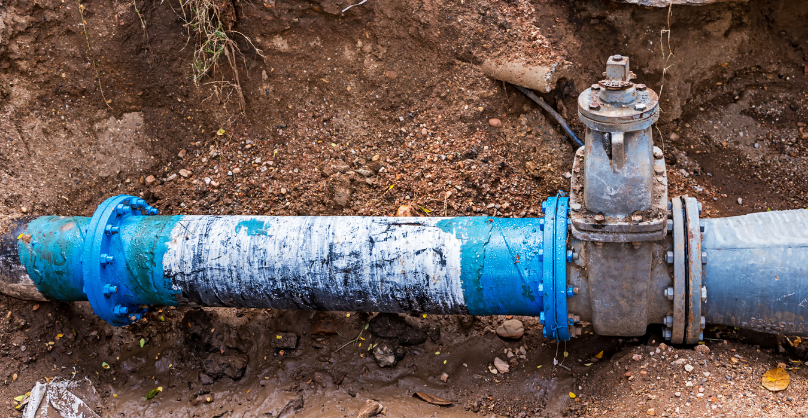
Underground plumbing projects involve much more than connecting pipes. Proper installation affects water quality, pressure, efficiency, and the long-term reliability of the entire plumbing system.
Hiring experienced professionals provides several important advantages.
Accurate Diagnosis
Not every leak requires a complete replacement.
Experienced plumbers use advanced leak detection equipment to identify the true source of the problem before recommending the appropriate solution.
This prevents unnecessary work and helps homeowners make informed decisions.
Code Compliance
Every municipality has plumbing regulations governing underground water lines.
Professional plumbers understand local requirements regarding:
- Pipe materials
- Installation depth
- Pressure testing
- Inspection procedures
- Backflow prevention
- Permit requirements
Following these standards helps protect your investment and ensures the completed project meets local building codes.
High-Quality Workmanship
Proper pipe alignment, secure fittings, pressure testing, and careful installation all contribute to a water line that performs reliably for decades.
Attention to detail during installation often prevents future leaks and unexpected service interruptions.
Long-Term Value
While it may be tempting to choose the lowest estimate, quality workmanship typically delivers greater value over the life of the plumbing system.
A professionally installed water line reduces the likelihood of recurring repairs, minimizes water loss, and provides greater peace of mind.
Why Homeowners Choose Aedile Plumbing
When it comes to underground plumbing, experience matters. At Aedile Plumbing, we understand that every property has unique plumbing needs, and we take the time to recommend solutions that provide lasting value rather than temporary fixes.
Our team serves homeowners throughout:
- League City, Texas
- Friendswood, Texas
- Dickinson, Texas
- Webster, Texas
- Kemah, Texas
- Seabrook, Texas
We approach every project with a focus on quality workmanship, honest recommendations, and dependable customer service. Whether you need a water line installation for new construction or a water service line replacement for an aging system, our licensed professionals work efficiently while minimizing disruption to your home and property.
From the initial inspection through final testing, we prioritize clear communication so you understand each step of the process and can make confident decisions about your plumbing investment.
Protecting Your Investment After Installation or Replacement
Whether you’ve completed a water line installation for a new property or a water line replacement for an older home, proper maintenance can help maximize the lifespan of your plumbing system. While underground water lines are designed to last for decades, routine attention can reduce the risk of unexpected problems and costly repairs.
Here are several practical ways to keep your water line in excellent condition:
- Schedule routine plumbing inspections to identify minor issues before they become major repairs.
- Monitor your monthly water bill for unexplained increases that could indicate a hidden underground leak.
- Pay attention to changes in water pressure throughout your home.
- Avoid planting trees or large shrubs directly above underground utility lines, as root intrusion can damage piping over time.
- Contact a professional plumber if you notice wet spots, unusually green patches of grass, or standing water in your yard.
- Know the location of your property’s main shut-off valve so you can quickly stop the water supply during an emergency.
Preventive maintenance is often far less expensive than emergency repairs. A professional inspection every few years can provide peace of mind and help extend the life of your plumbing infrastructure.
Making the Right Choice for Your Home
Choosing between installing a new water line and replacing an existing one depends on your property’s condition, plumbing history, and long-term goals.
If you’re building a new home or expanding your property, a professionally planned installation ensures your plumbing system starts with reliable infrastructure designed to meet today’s standards.
If your existing line is experiencing frequent leaks, corrosion, poor water pressure, or has reached the end of its service life, replacing the line is often the most cost-effective long-term solution. While repairs may temporarily solve isolated problems, an aging pipe can continue to develop new issues that become increasingly expensive over time.
Working with an experienced plumbing contractor ensures that your system is carefully evaluated before any recommendations are made. The right solution should balance your current budget with the long-term reliability and efficiency of your home’s plumbing.
At Aedile Plumbing, we believe homeowners deserve honest recommendations and quality workmanship. Our licensed professionals take the time to inspect every system thoroughly and explain your options clearly so you can make an informed decision with confidence.
Whether you need a new underground water line or are considering a complete replacement, our team is committed to delivering dependable solutions built to last.
We proudly serve homeowners throughout:
- League City, Texas
- Friendswood, Texas
- Dickinson, Texas
- Webster, Texas
- Kemah, Texas
- Seabrook, Texas
If you’ve noticed declining water pressure, recurring leaks, rising water bills, or suspect an underground plumbing issue, don’t wait until the problem becomes more extensive.
Contact Aedile Plumbing today to schedule a professional inspection and receive expert recommendations for your home’s water line needs. Our experienced team is ready to help protect your plumbing system with reliable solutions and exceptional customer service.
Frequently Asked Questions
How long does a residential water line typically last?
The lifespan depends on the pipe material, soil conditions, water quality, and installation quality. Copper and HDPE water lines can often last 50 years or more when properly installed and maintained.
Can a water line be repaired instead of replaced?
Yes. Small, isolated leaks may be repaired if the remainder of the pipe is in good condition. However, if the line has multiple leaks, severe corrosion, or has reached the end of its expected lifespan, replacement is usually the more economical long-term solution.
What are the common signs of an underground water line problem?
Common warning signs include:
- Low water pressure throughout the home
- Unexpected increases in water bills
- Wet or soggy areas in the yard
- Discolored tap water
- Constant sound of running water
- Repeated plumbing leaks
If you notice any of these symptoms, a professional inspection is recommended.
How long does a water line replacement project take?
Most residential projects can be completed within one to three days, depending on the length of the pipe, property access, weather conditions, permitting requirements, and restoration needs.
Will my yard be damaged during the project?
Professional plumbers carefully plan excavation to minimize disruption. Modern equipment and proper restoration practices help reduce the impact on landscaping, sidewalks, and driveways whenever possible.
Why should I hire a licensed plumbing professional?
Licensed plumbers have the training, equipment, and knowledge to install or replace underground water lines safely while complying with local plumbing codes. Professional installation also helps reduce the likelihood of future leaks, pressure issues, and costly repairs.
References
- American Water Works Association. (2024). Buried No Longer: Confronting America’s Water Infrastructure Challenge. //www.awwa.org
- Centers for Disease Control and Prevention. (2024). Drinking Water. //www.cdc.gov/drinking-water/index.html
- Environmental Protection Agency. (2024). Fix a Leak Week. //www.epa.gov/watersense/fix-leak-week
- Environmental Protection Agency. (2024). Water Infrastructure. //www.epa.gov/infrastructure
- Texas Commission on Environmental Quality. (2024). Public Drinking Water. //www.tceq.texas.gov/drinkingwater